
Optimal Timing for Tree Removals
Understanding the optimal timing for tree removals ensures safety and minimizes impact on surrounding landscape. The best time depends on the tree species, local climate, and specific conditions of the site.
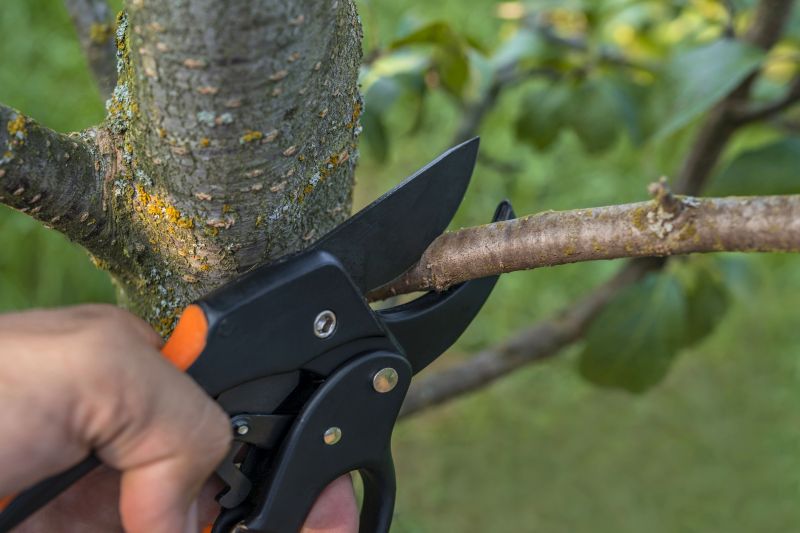
Spring is suitable for removal when trees are still dormant, reducing stress and promoting quicker recovery.
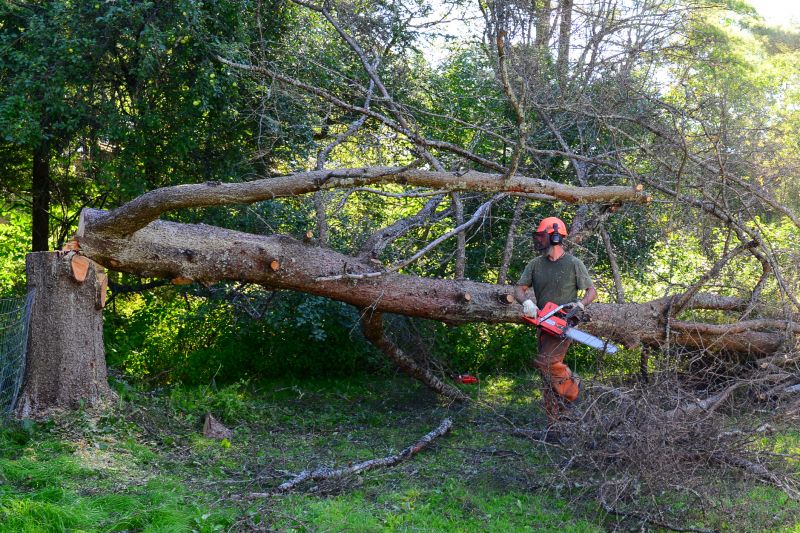
Summer removals are ideal for urgent situations, but may require extra care due to active growth.
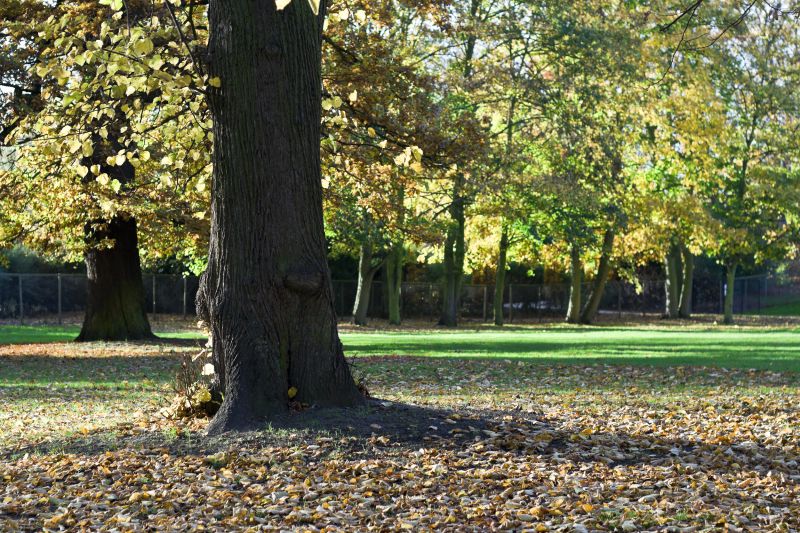
Fall offers a good window for removal as trees prepare for dormancy, with less leaf cover.
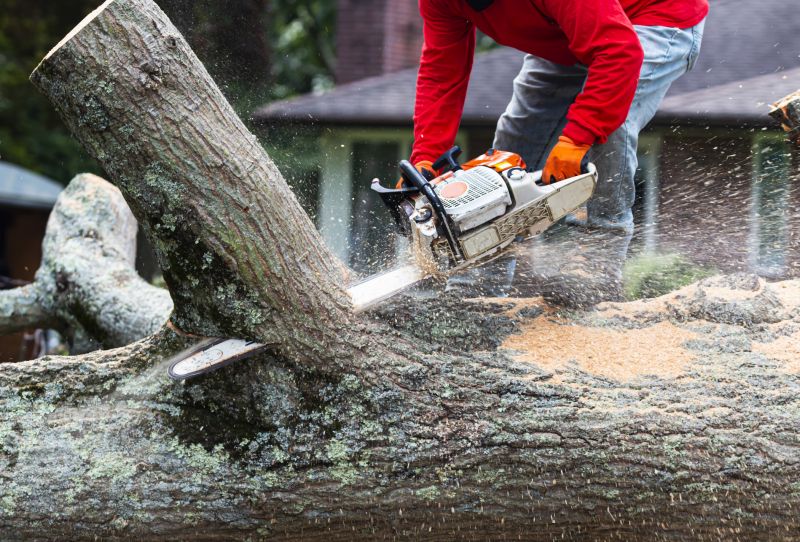
Ways to make Tree Removals work in tight or awkward layouts.
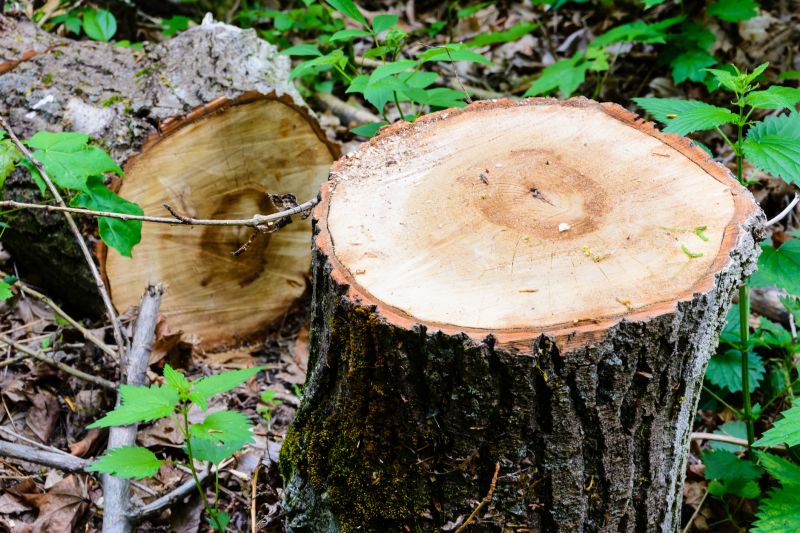
Popular materials for Tree Removals and why they hold up over time.
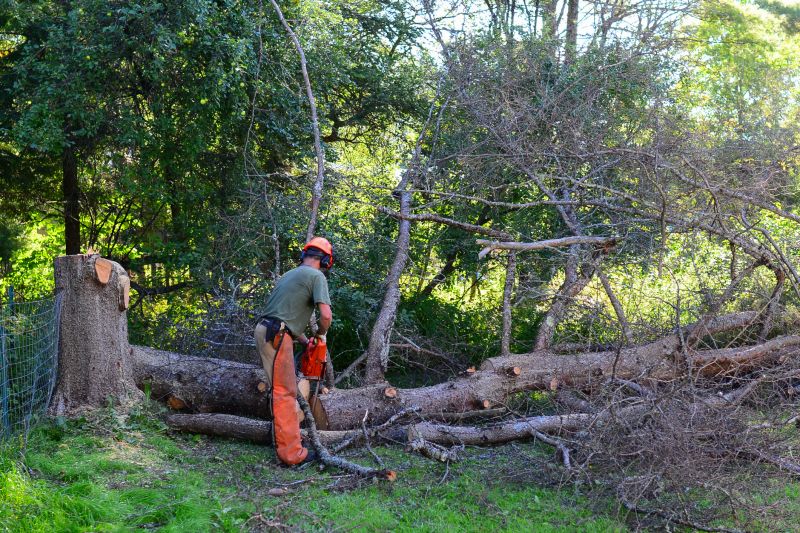
Simple add-ons that improve Tree Removals without blowing the budget.

High-end options that actually feel worth it for Tree Removals.
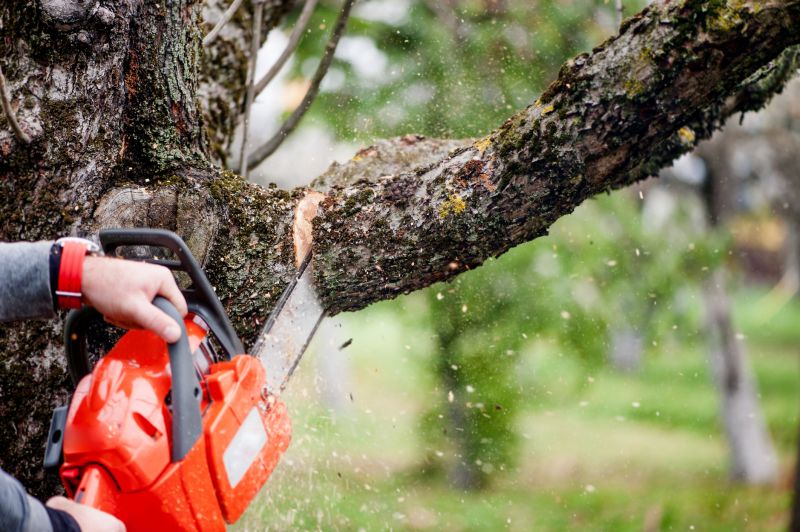
Finishes and colors that play nicely with Tree Removals.
Tree removal timing is crucial for health and safety. Removing trees during dormancy minimizes the risk of disease spread and reduces stress on remaining vegetation. Typically, late fall through early spring is considered optimal for most species. However, specific circumstances such as storm damage or safety concerns may necessitate immediate action regardless of season.
Different seasons impact tree removal timing based on species and local climate patterns.
Avoid removals during periods of heavy rain or wind to ensure safety and effectiveness.
Some species, such as oaks and maples, have specific dormancy periods ideal for removal.
Urgent removals due to storm damage should be addressed immediately, regardless of season.
Tree removals are often planned during the dormant season to reduce stress and prevent disease transmission. Proper timing can also influence regrowth and landscape aesthetics. Consulting with arboriculture professionals can help determine the most appropriate window based on tree type and local conditions.
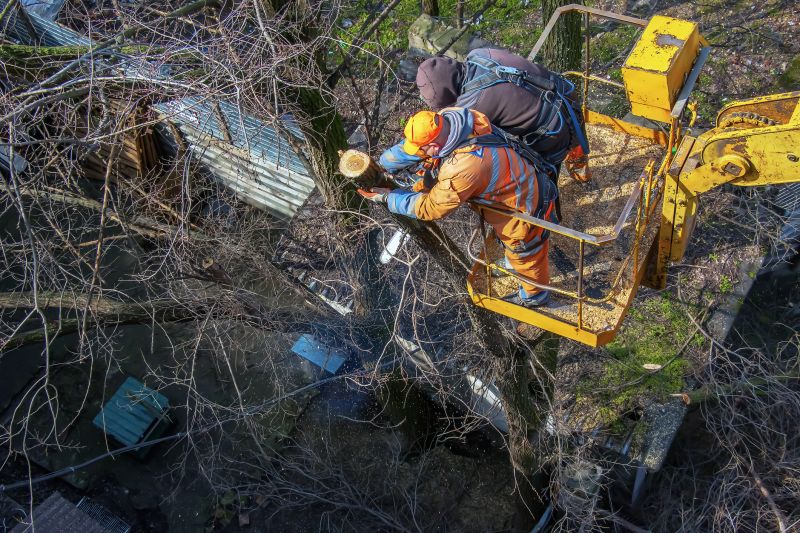
Specialized tools are used for safe and efficient tree removal.
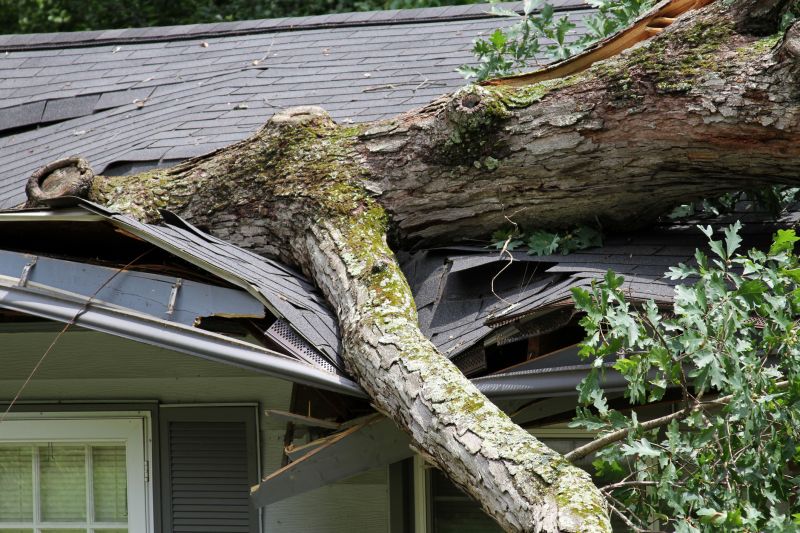
Immediate removal may be necessary after storms to prevent hazards.
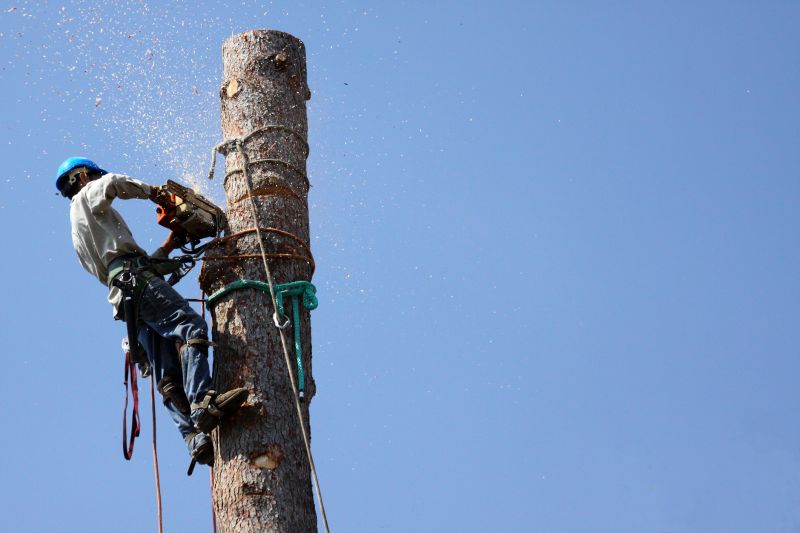
Removing unhealthy trees during dormancy supports landscape health.
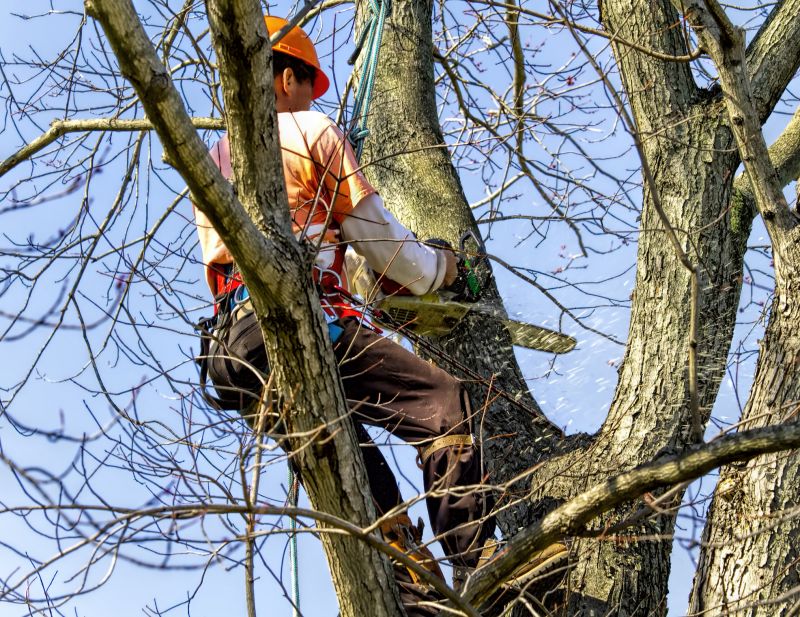
Timing is key in urban areas to minimize disruption and safety risks.
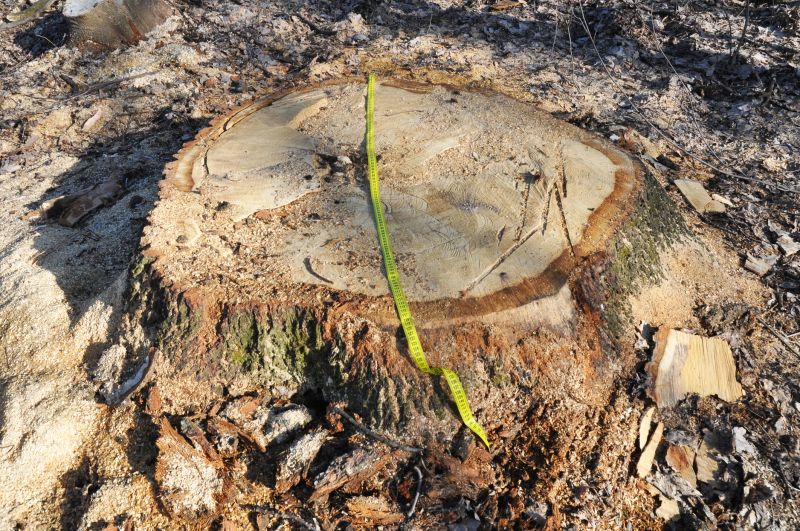
Little measurements that prevent headaches on Tree Removals day.
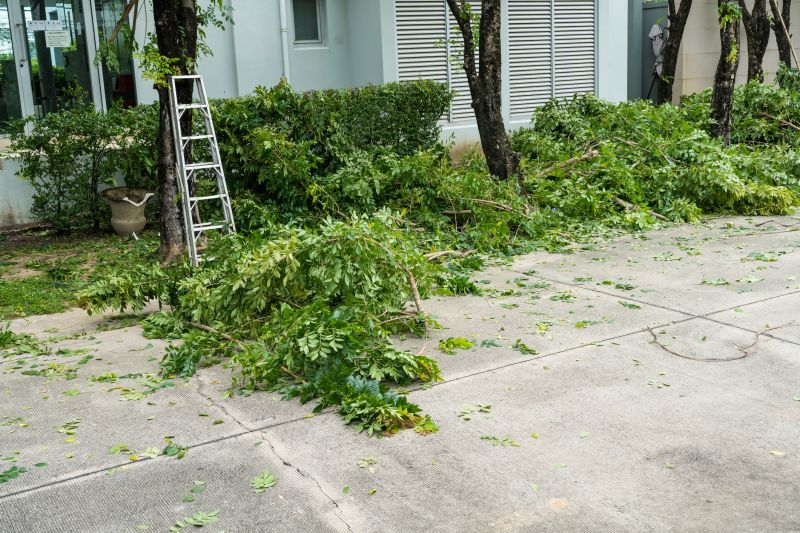
A 60-second routine that keeps Tree Removals looking new.
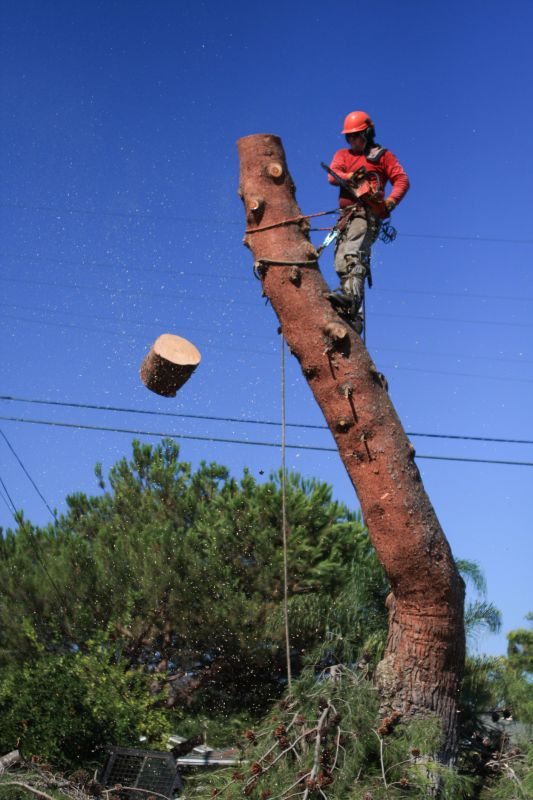
A frequent mistake in Tree Removals and how to dodge it.
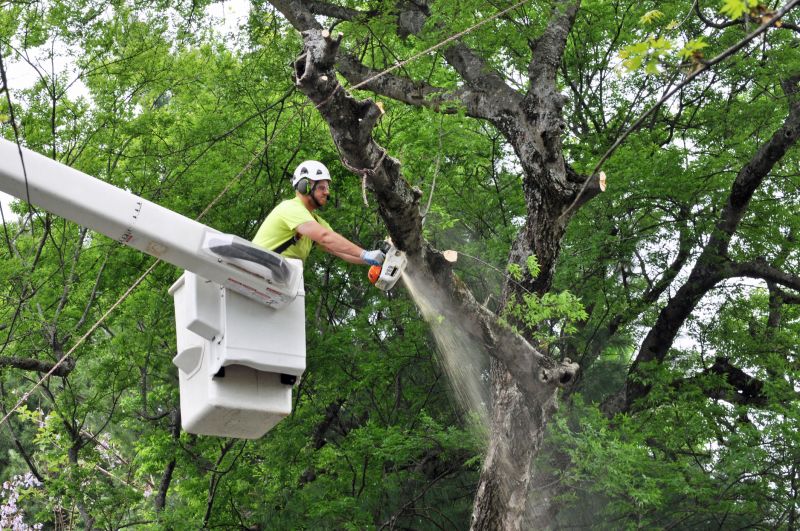
Small tweaks to make Tree Removals safer and easier to use.
| Season | Ideal for Tree Removals |
|---|---|
| Spring | Dormant period for most species, reduces stress |
| Summer | Suitable for urgent removals, active growth considerations |
| Fall | Pre-dormancy period, good for planned removals |
| Winter | Dormant period, ideal for certain species |
| Post-Storm | Immediate removal due to safety concerns |
Choosing the right time for tree removal depends on a combination of species, weather, and safety needs. Proper planning ensures healthy landscape management and safety for property and individuals.
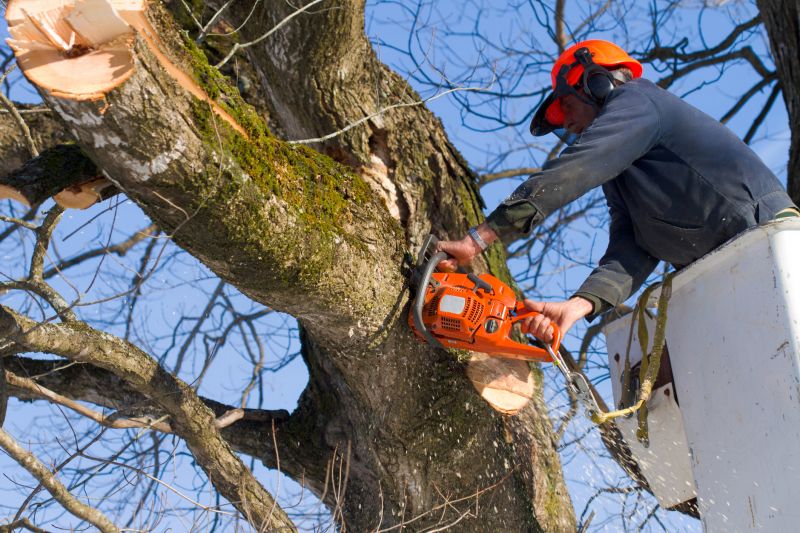
Scheduling during dormancy minimizes tree stress.
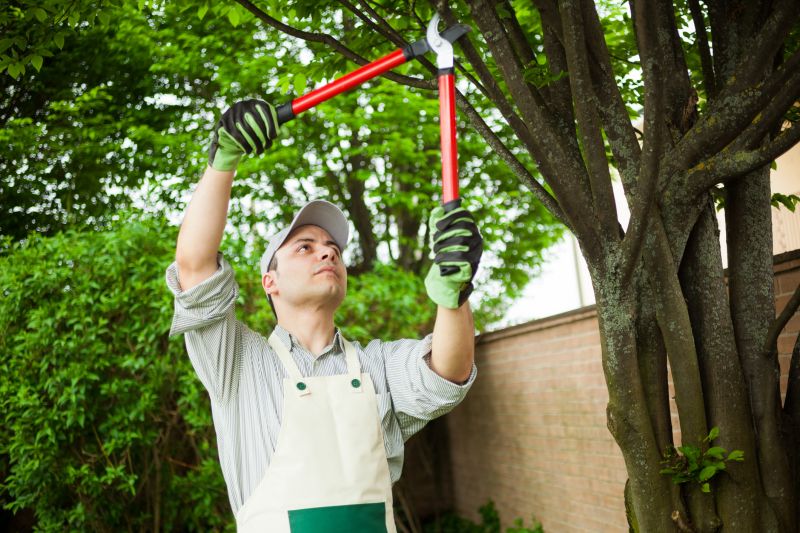
Understanding seasonal impacts aids in effective removal.

Immediate action is essential after storm-related damage.
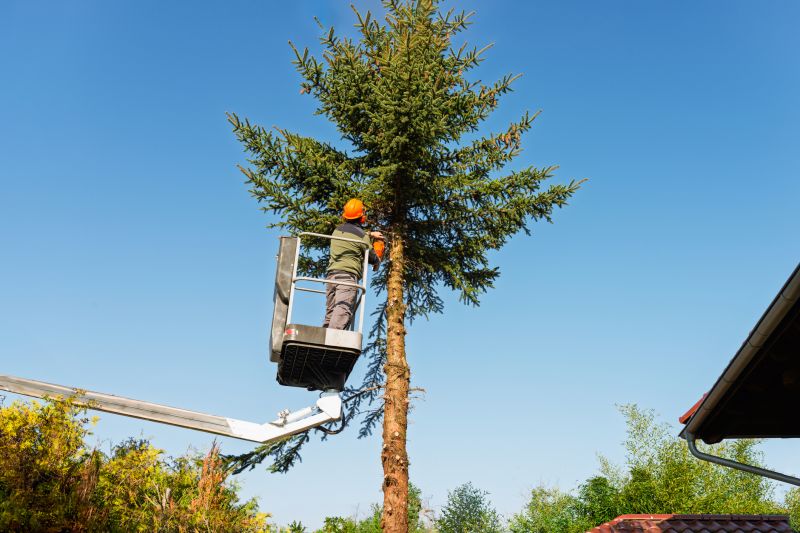
Timing reduces risks in densely populated areas.
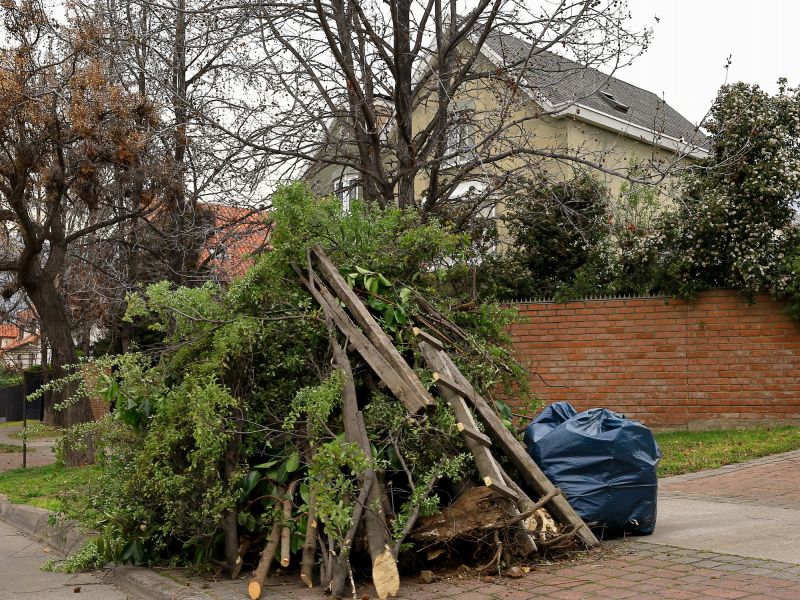
Lower-waste or water-saving choices for Tree Removals.
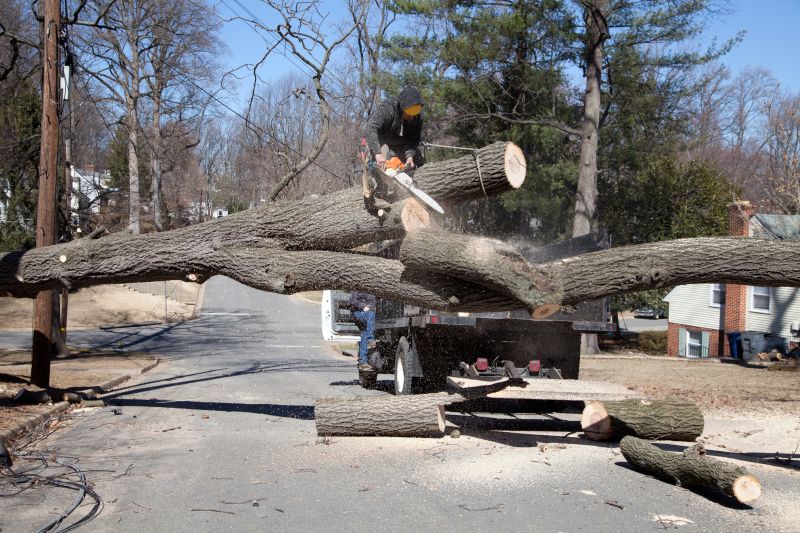
The short, realistic tool list for quality Tree Removals.
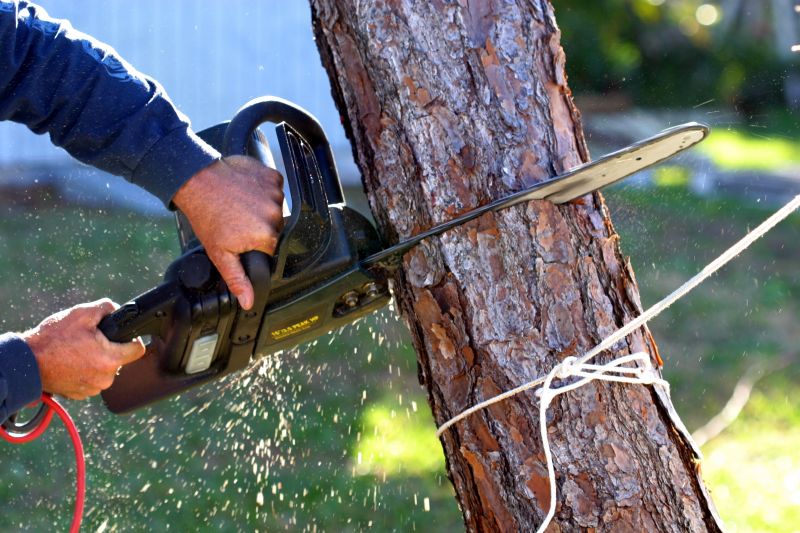
Rough timing from prep to clean-up for Tree Removals.
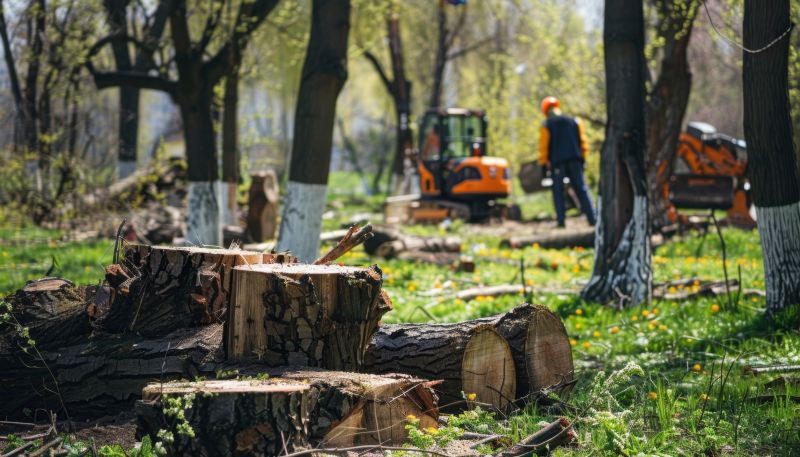
Quick checks and paperwork to keep after Tree Removals.
Interested in scheduling a tree removal? Filling out the contact form can provide more information and assistance in planning the optimal timing for specific trees and site conditions.