
Get Dead Tree Removal in Des Moines, IA
Dead Tree Removal services in Des Moines, IA, help property owners safely remove hazardous, dead, or fallen trees and manage storm-damaged or overgrown landscapes.
Dead tree removal is an important consideration for property owners in Des Moines, IA, seeking to maintain a safe and attractive outdoor space. Dead or dying trees can pose safety hazards, block views, or interfere with planned landscaping projects. Exploring local contractors who specialize in tree removal can help ensure the job is handled efficiently and safely, providing peace of mind for those looking to improve their property's appearance and safety.
For property owners planning renovations, landscape updates, or simply aiming to clear space on their land, comparing options among nearby service providers can be a practical step. Local contractors experienced in dead tree removal understand the specific conditions of the Des Moines area and can offer tailored solutions. Continuing to explore available services can help identify the right professionals to meet individual property needs effectively.
- Dead Tree Removal - needed when a tree poses a risk of falling due to disease or storm damage in neighborhoods around Des Moines, IA.
- Stump Grinding - required after tree removal to clear the area for landscaping or safety reasons in nearby residential areas.
- Hazardous Tree Assessment - important when trees show signs of decay or instability near homes and power lines in the Des Moines metro.
- Emergency Tree Cleanup - necessary after severe weather events that cause trees to fall or break in local communities.
- Selective Tree Removal - used to thin out or remove specific trees to improve property aesthetics or prevent future hazards in Des Moines neighborhoods.
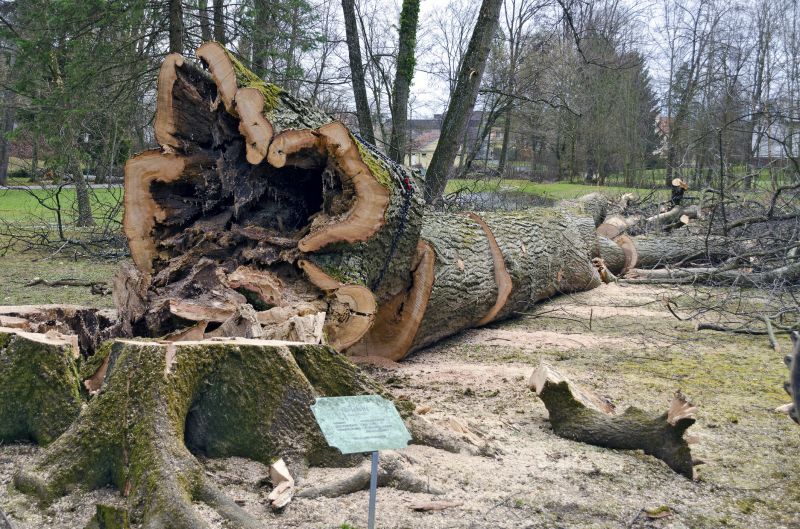
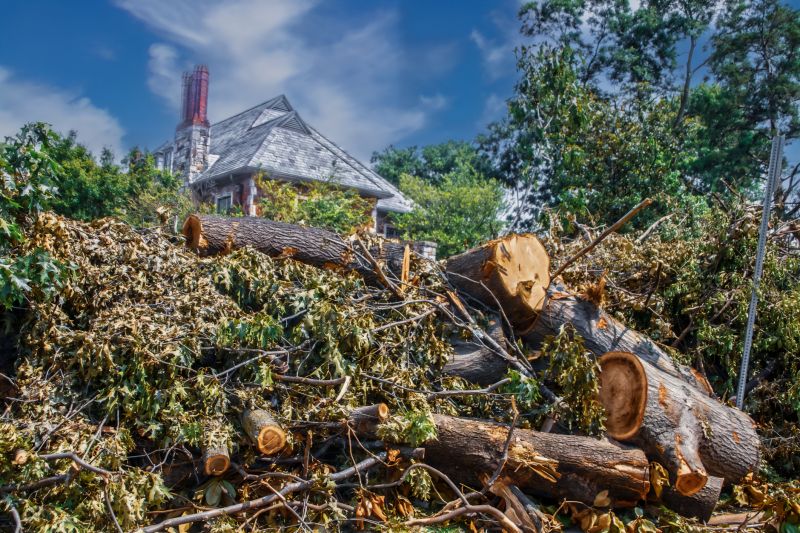
Dead tree removal services involve the safe and efficient removal of trees that are dead, dying, or severely damaged. These professionals assess the condition of the tree to determine if removal is necessary and then carefully plan the process to prevent damage to surrounding property. The work often includes cutting the tree into manageable sections, removing the trunk and branches, and hauling away debris. This service helps ensure that dead or hazardous trees do not pose an immediate threat to people, pets, or nearby structures.
One of the primary reasons for seeking dead tree removal is to eliminate safety hazards. Dead trees are more likely to fall unexpectedly, especially during storms or high winds, which can cause property damage or injury. Additionally, decaying trees can become breeding grounds for pests or fungi that may spread to healthy trees or other landscape features. Removing these trees can also improve the overall appearance of a property, making it look well-maintained and safe.
Dead tree removal services are frequently used on residential properties, especially in yards where a dead or dying tree threatens to fall on a home, driveway, or outdoor living space. Commercial properties, parks, and community spaces also benefit from this work to prevent accidents and maintain a safe environment for visitors. These services are suitable for any property where a tree shows signs of decay, such as dead branches, sparse foliage, or visible trunk damage. Property owners who notice these signs are encouraged to contact local contractors to evaluate and address the issue.
Choosing professional dead tree removal helps property owners avoid the risks associated with DIY work, which can be dangerous and complicated. Skilled service providers have the equipment and experience needed to handle challenging removals safely. Whether it’s a small backyard tree or a large, mature specimen, local contractors can assess the situation and carry out the removal efficiently. This service is a practical step for maintaining safety, preventing property damage, and keeping landscapes healthy and attractive.
The overview below groups typical Dead Tree Removal projects into broad ranges so you can see how smaller, mid-sized, and larger jobs often compare in Des Moines, IA.
In many markets, a large share of routine jobs stays in the lower and middle ranges, while only a smaller percentage of projects moves into the highest bands when the work is more complex or site conditions are harder than average.
Smaller Trees - Removing smaller trees typically costs between $250 and $600, depending on size and location. Many routine jobs fall within this middle range, making it a common estimate for local contractors. Larger or more complex small-tree removals can push costs higher.
Medium-Sized Trees - For trees measuring 30 to 60 feet, costs generally range from $600 to $1,500. These projects are common in residential areas and tend to fall into the middle to upper end of the price spectrum. Factors like accessibility can influence the final price.
Larger Trees - Removing large trees over 60 feet can cost $1,500 to $3,500 or more. Such projects are less frequent and often involve additional equipment or safety precautions, which can increase costs significantly.
Full Tree Removal & Stump Grinding - Complete removal, including stump grinding, typically ranges from $300 to $1,200 for smaller trees and $2,000+ for larger ones. Many local service providers handle these jobs regularly within these ranges, though complex or hazardous jobs may be higher.
Actual totals will depend on details like access to the work area, the scope of the project, and the materials selected, so use these as general starting points rather than exact figures.
Stump Grinding - local contractors who perform stump grinding use similar equipment and techniques to remove remaining tree parts after dead tree removal.
Tree Pruning and Trimming - professionals experienced in dead tree removal often handle pruning and trimming to maintain tree health and safety.
Storm Damage Cleanup - service providers skilled in clearing fallen trees and branches during storm events share tools and planning approaches with dead tree removal.
Land Clearing - land clearing projects require similar planning and equipment to safely remove multiple dead or unwanted trees from large areas.
Emergency Tree Services - local pros offering emergency tree services are familiar with urgent removal tasks involving dead or hazardous trees.
Tree Health Assessments - providers conducting tree health assessments often identify dead or dying trees that may require removal services.
When evaluating contractors for dead tree removal, it’s important to consider their experience with similar projects in the Des Moines area. An experienced service provider will be familiar with the common challenges of removing dead or hazardous trees, ensuring the job is handled safely and efficiently. Homeowners should inquire about the types of trees they have previously worked on and whether they have encountered situations similar to their own, as this can provide insight into their expertise and comfort level with the specific requirements of the job.
Clear written expectations are essential when comparing local contractors for dead tree removal services. A reputable service provider will provide a detailed description of the scope of work, including how they plan to approach the removal process, any necessary preparations, and cleanup procedures. Having this information in writing helps homeowners understand what to expect and ensures that there are no misunderstandings about the services being offered. It’s also beneficial to ask for a written outline of the process to confirm that the project will be handled professionally and thoroughly.
Reputable references and good communication are key factors when selecting a contractor for dead tree removal. Service providers who can provide references from previous clients in Des Moines or nearby areas demonstrate a track record of satisfied customers. Additionally, clear and prompt communication during the initial stages can indicate how responsive and professional the contractor will be throughout the project. Since the site introduces homeowners to local options rather than performing the work itself, it’s advisable to contact multiple service providers, ask about their experience, and assess their ability to communicate effectively before making a decision.
Property owners in Des Moines, IA use Dead Tree Removal services for practical projects around their homes and businesses. This guide focuses on everyday jobs and straightforward project options.
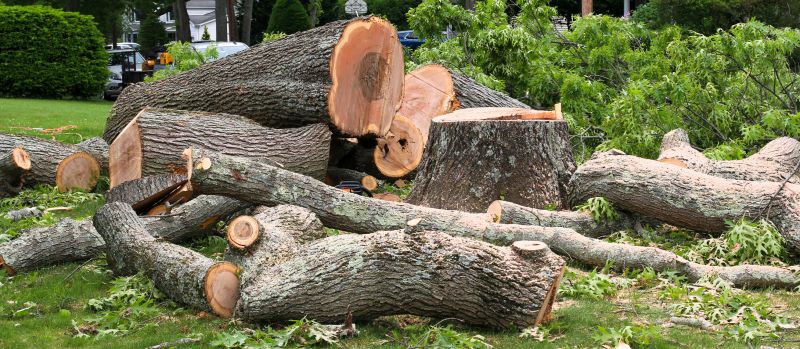
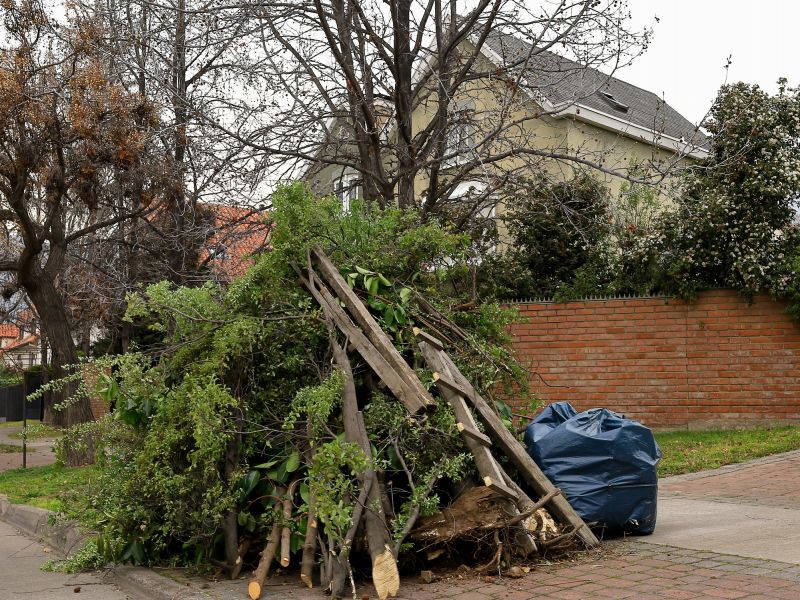
Dead tree removal is often needed when property owners in Des Moines notice trees that have become hazardous due to disease, storm damage, or age. Overgrown or dead trees can pose safety risks to people and nearby structures, prompting homeowners or business owners to seek professional assistance. Additionally, trees that are leaning dangerously or have large dead branches may be targeted by local contractors to prevent potential accidents or property damage.
In some cases, property owners may want to clear space for new landscaping, construction projects, or to improve the overall appearance of their property. Dead or decaying trees can detract from curb appeal and may be a concern for those looking to maintain a safe and attractive outdoor environment. Local service providers can handle these projects efficiently, helping property owners manage tree health and safety concerns with professional removal services.
What is dead tree removal? Dead tree removal involves the process of safely taking down trees that are no longer living or pose a risk to property and safety.
Why should I consider removing a dead tree? Removing a dead tree can prevent potential hazards such as falling branches or the tree toppling, which could cause damage or injury.
How do local contractors handle dead tree removal? Local service providers assess the tree's condition, then use specialized equipment to safely cut and remove the dead tree from the property.
Are there any considerations before removing a dead tree? It's important to evaluate the tree's location, proximity to structures, and potential impact on surrounding landscape before removal.
Can dead tree removal be combined with other tree services? Yes, many local contractors offer additional tree care services such as pruning or stump grinding that can be coordinated with dead tree removal.
Property Safety - Removing dead trees can prevent potential hazards such as falling branches that might damage property or pose risks to residents.
Landscape Improvement - Clearing out dead trees can enhance the overall appearance of a yard or garden, making space for new plantings or features.
Property Value - Dead tree removal can contribute to maintaining or increasing the curb appeal of a home, supporting its market value.
Preventing Pest Issues - Removing decayed trees can reduce habitats for pests like insects or rodents that may cause further damage.
If you are thinking about Dead Tree Removal for a property in Des Moines, IA, this guide is meant to help you understand the work, the typical project types, and how different options might fit your plans.
When you are ready, you can use the quote form on this page to share a few details about your project. From there, local pros can review the basics and respond with options that match what you have in mind.